Why Do I Feel Mentally Drained All the Time? Understanding Emotional Exhaustion

EchoSoul
4 min read
Why Do I Feel Mentally Drained All the Time?
Then there are days on which you get enough sleep, complete your work and there seems nothing special in what you did today but you just cannot help but feel extremely exhausted.
And you may ask yourself "Why do I feel so tired when I didn't do anything at all?"
Sometimes this exhaustion is not because of physical exertion. This is the result of constant thinking, worrying, adjusting, managing, coping with expectations and trying to cope with everything.
And this is termed as emotional exhaustion.
Emotional exhaustion is when simple things become challenging for you. It becomes hard for you to communicate in a normal manner. Simple decision making becomes exhausting for you. You tend to be alone and not wanting to shoulder any responsibility or spend a day when nothing is expected out of you by anyone.
And most importantly this does not mean that you are lazy or unmotivated.

Exhaustion can also be emotional
Physical exhaustion is easy to understand. You have been walking all through the day, and hence you are aware that you need some rest.
Emotional exhaustion is something else.
Your mind may be bogged down by thoughts that cannot be sorted out, issues in relationships, work pressure, financial problems, family issues, decision making or the need to always be available emotionally.
You may be functioning perfectly outside, but inside you may be totally exhausted.
That is when it becomes difficult to differentiate between emotional exhaustion and stress due to routine life.
You will still continue to work, answer emails, participate in meetings, look after your family and do other work. But inside you may feel that you have nothing more left in you.
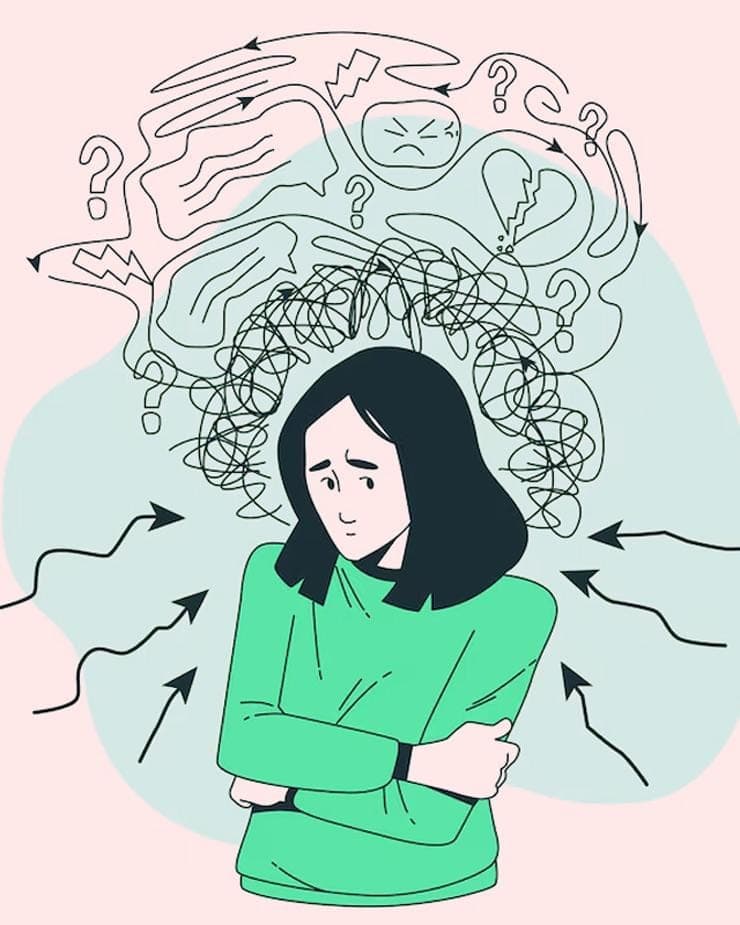
Signs of emotional exhaustion
It looks differently for different people.
You might experience:
Feeling tired even after resting
Being unable to concentrate
Getting irritated easily
Feeling emotionally numb or detached
Having no interest in anything you used to enjoy
Thinking about everything all the time
Feeling overwhelmed with simple tasks
Desire to be left alone
Difficulties in making any decision
Always being "turned on"
Often the biggest sign is the following: it feels like everything is too much.
The reasons why rest alone is not sufficient
Rest is crucial but it is not always the lack of sleep and leisure that causes emotional exhaustion.
Think of constantly worrying about one unresolved problem every day.
You take Sunday off, but your brain keeps reliving conversations, foreseeing problems, or wondering if you have made the right choice.
While your body rests, your brain keeps functioning.
This is why emotional wellness is more than just about “taking a break.”
It could also mean figuring out what is draining your emotional resources in the first place.
Sometimes the exhaustion has a deeper story
In some cases, emotional exhaustion occurs due to prolonged stress.
For others, it might relate to relationship problems, work-related stress, perfectionism, people pleasing, past experiences, or always prioritizing other people’s needs above their own.
Experience in the past might also affect how you deal with current events. Trauma recovery and learning about your patterns from childhood might become an important aspect of regaining your emotional energy.
This does not mean that every case of feeling exhausted has something to do with your traumatic experience in the past. It simply means that learning the reasons for your emotional reactions might be helpful.
One of the methods used for this goal is cognitive behavioral therapy counseling.
You don't have to wait until you completely break down
Many times, people tend to seek help when they feel that they cannot manage any more.
However, counselling need not be the last thing you do.
Your mental wellness and counselling can be a process of learning more about yourself before your stress becomes your new norm.
A professional discussion will give you room to talk about what stresses you out, what is unnecessary for you, and what changes need to happen.
Whichever option you choose between face-to-face counseling and online counseling, the purpose is not just to ‘fix’ you but to help you learn more about yourself.

Emotional recovery is not about becoming endlessly productive
No one needs to change into a perfect being who is able to do everything.
Sometimes personal growth entails realizing that everything doesn't necessarily have to be done by yourself.
It entails realizing your limits, setting boundaries, asking for help, changing attitudes, and giving yourself the permission to take a break.
Should you realize that you are mentally tired of something for a long period of time, you might want to consider the following:
"What consumes more energy emotionally than you think?"
The answer may only be the beginning of your journey.
At EchoSoul, our counselling and consultancy services will give you the chance to learn more about your emotional patterns and yourself. Sometimes, everything begins with a conversation.