Why Do I Keep Saying Yes When I Really Want to Say No?

EchoSoul
5 min read
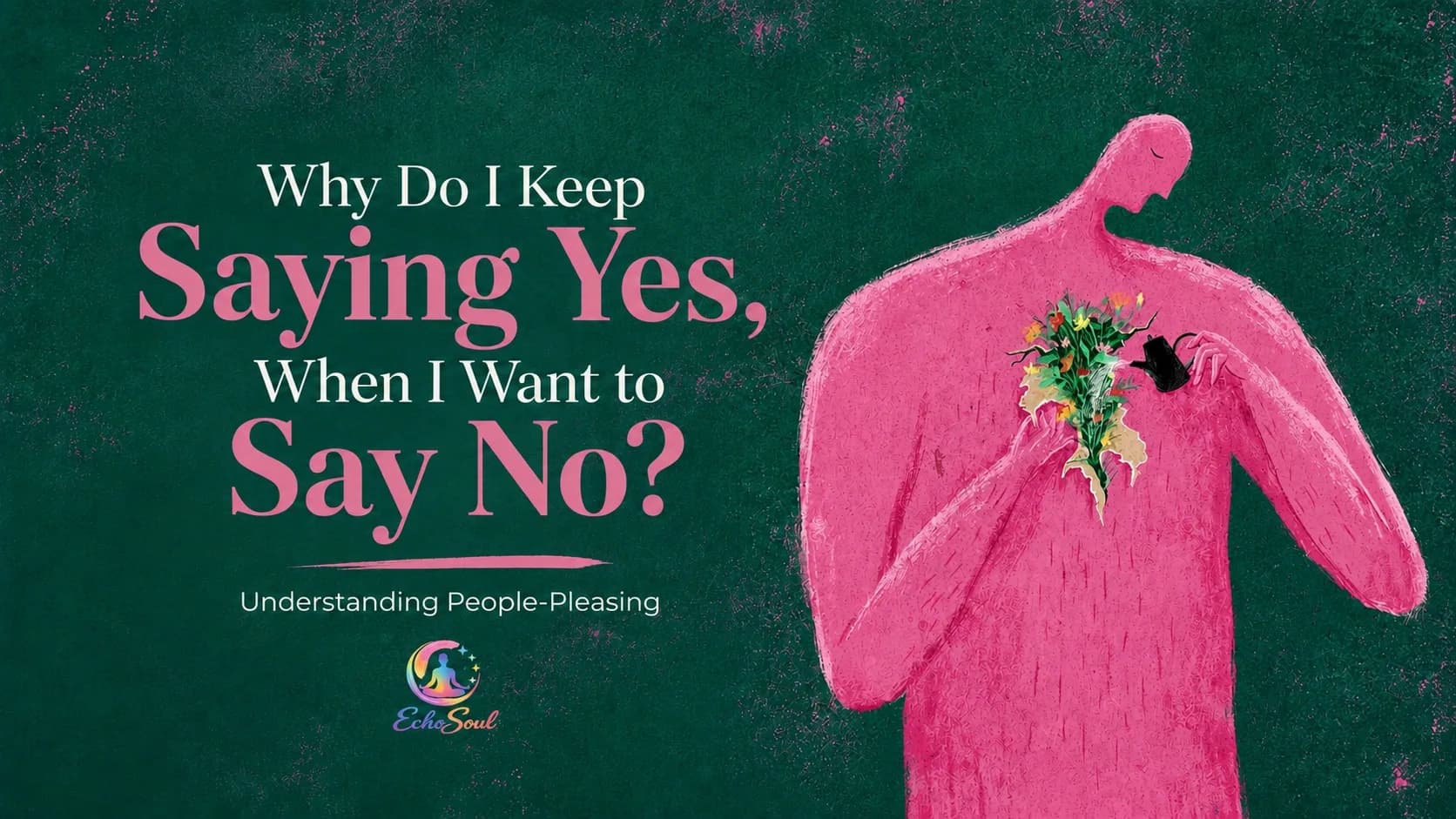
How many times have you said yes to something only to wish you hadn’t after?
You were truly trying to say no. You were tired, you had more important things to do, and perhaps you never wanted to do that task at all.
Nonetheless, you found yourself saying “yes”.
Then you started to wonder:
Why did I agree to this?
Why am I so difficult at saying no?
Why must I make everyone else happy?
If this sounds familiar to you, you may be facing problems related to people-pleasing.
People-pleasing isn’t just about doing things for other people. It becomes a problem when your priority is always to cater to the needs of other people instead of yourself.
When saying yes becomes a habit
For some individuals, giving a yes becomes an automatic answer.
Somebody makes a request, and you automatically say yes.
A friend decides to change plans, and you adapt.
A workmate makes a request, and you accept even though you are already overburdened.
A relative expects something from you, and giving a no seems impossible.
Over time, your yes ceases to be a reflection of what you really want.
It starts being a reflection of what you believe will satisfy others.
It can place your emotional health under considerable stress, as you are constantly meeting the demands of other people, putting yourself below the rest of them.
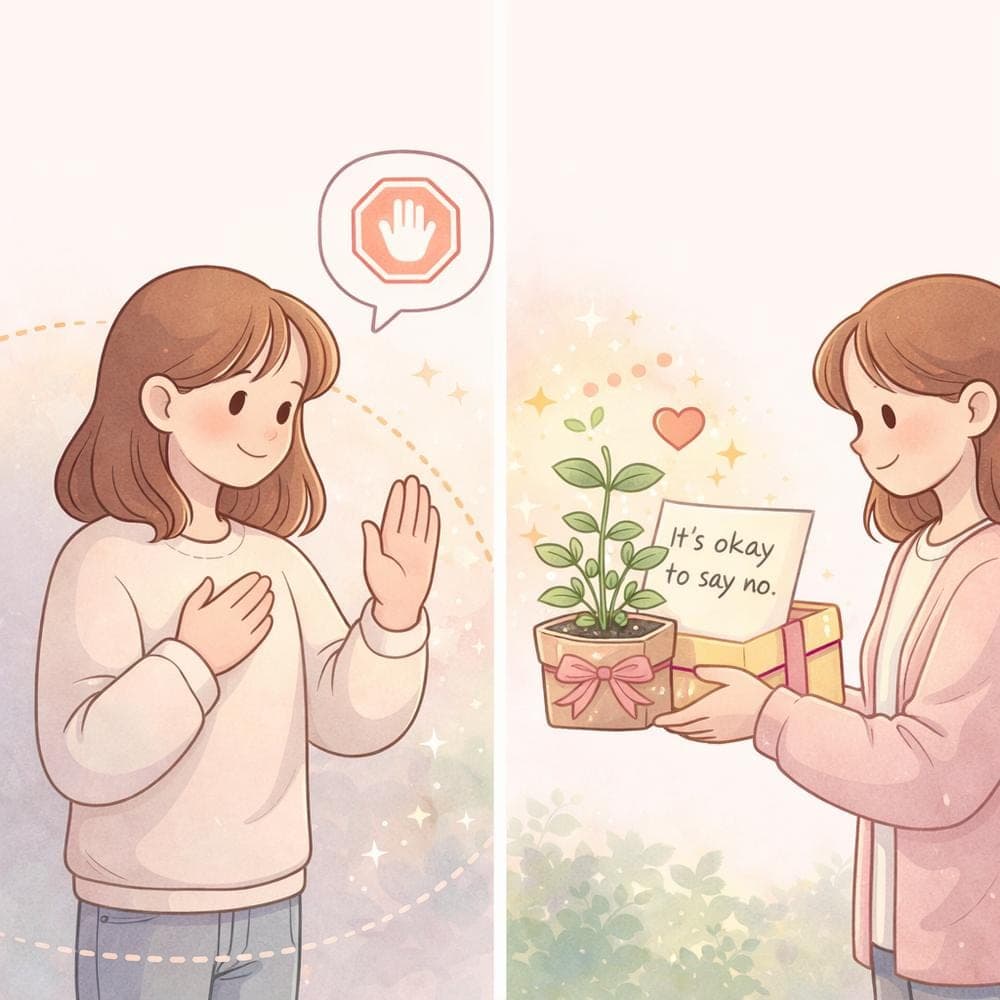
Why does saying no feel so uncomfortable?
There could be several reasons.
You may find yourself associating the act of saying no with being selfish.
You may feel that people would be angry and disappointed in you.
It is possible that as a child you learnt that you were appreciated for being "good," cooperative or helpful.
You may dislike confrontations because of which agreeing to the demands of others becomes easier.
Sometimes being agreeable could come out of your fears and insecurities.
None of this means that there is anything wrong with you.
It only means that your response has been shaped by some reason.

The hidden cost of constantly saying yes
Every yes comes at a price when it contradicts your actual capabilities.
Being constantly overextended leaves you tired, bitter, stressed, or alienated from yourself.
You start to feel like:
“No one knows how much I do.”
The reality may be harsh in that you have not communicated your boundaries properly.
Others cannot always guess what you require unless you let them know.
Also, agreeing to something but really wishing you didn’t may take a toll on your relationships as well.
You may end up hating someone for never making you say yes.
That is why the concept of setting boundaries does not mean being less kind.
It means being able to sustain your kindness.
Saying no doesn't make you a bad person
Boundaries are not punishments.
They are data.
They tell someone else:
"This is what I am able to give, and here my abilities end."
You can love a person while saying no to something.
You can be a helpful co-worker while avoiding doing everyone else's job.
You can love your family while not always being available.
You can cherish a friendship while not always agreeing to everything.
Start with a pause
If saying “no” is a struggle for you, then don’t push yourself into being a boundary expert all of a sudden.
Begin by making space between the request and your response.
Instead of automatically replying with a “yes,” consider:
“Let me check and I’ll let you know.”
“I need to think about that.”
“I’m not sure I have the bandwidth for that right now.”
“Can I get back to you tomorrow?”
By simply making this small pause, you’re giving yourself something essential – choice.

Ask yourself three questions
Before accepting, ask yourself:
Do I really want to do this?
Do I have the ability to do this?
Am I accepting this out of the desire to please—or the fear of rejection?
The third question is often the most telling.
If you are making most of your decisions out of fear, your boundaries need some work.

Your self-worth is not measured by your availability
One of the underlying factors of people-pleasing is thinking that your worthiness is determined by how you serve other people.
If you are helpful, needed, agreeable, and always available, then you may think that you are worthy.
However, you do not have to prove your worthiness through constant service.
You are entitled to having needs.
You are entitled to taking breaks.
You are entitled to disappointing somebody sometimes.
And you are still worthy.
When professional support can help
Where setting boundaries causes anxiety, guilt, and fear, it is recommended that one looks at the issue with the aid of a counsellor.
The Cognitive Behavioral Therapy approach can assist you in exploring your thoughts like “If I say no, they will hate me” and question how true they might really be.
One could learn about your relationship styles, needs, and life experiences through counselling.
Relationship counseling may prove beneficial in situations where boundary problems cause conflict and resentment on multiple occasions.
Start choosing honest yeses
But saying no to everyone isn’t the idea here.
The point is to make your yes count for something.
There’s a difference between saying yes out of choice and out of fear.
And having boundaries means being able to create better, more authentic connections, not only with the world but with yourself.
With EchoSoul, emotional well-being and therapy can offer a secure environment where you can work on people-pleasing, self-respect, relationships, and patterns.
Not because saying no is always going to make you any less caring.
But because sometimes it’s time to care for yourself too.